
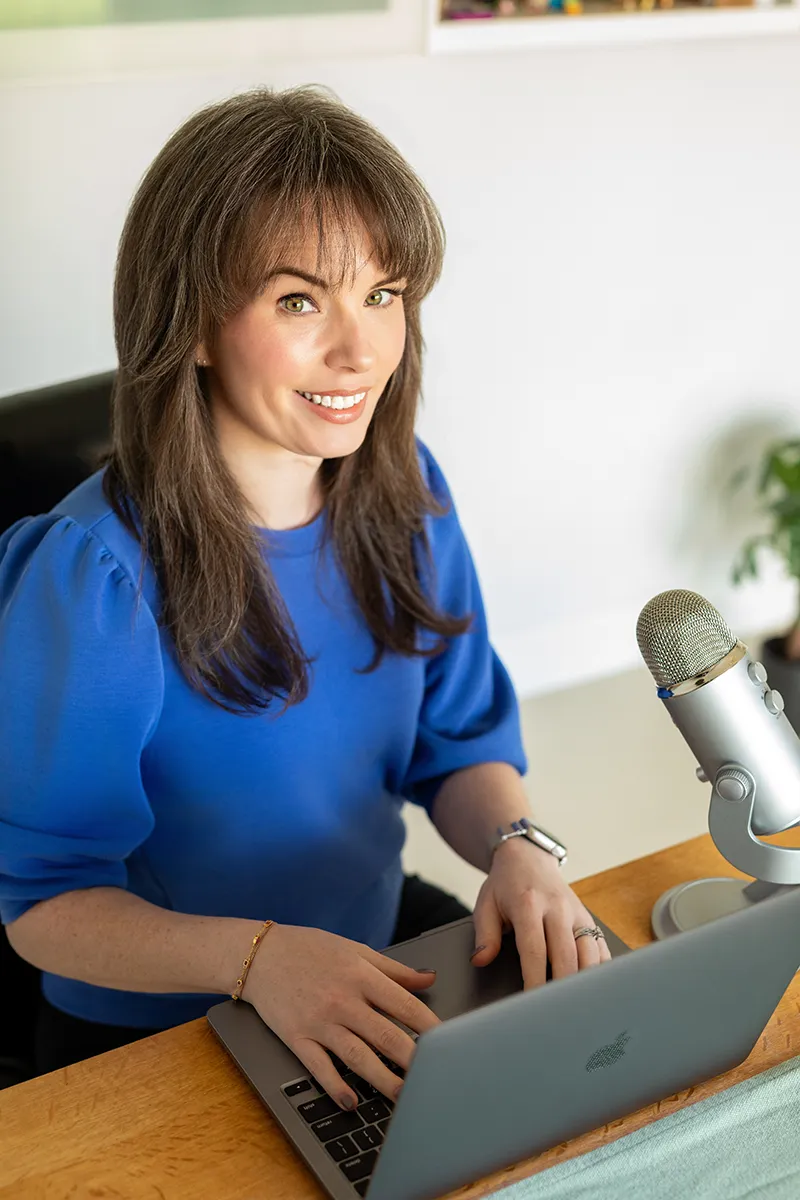
Speciality Audiology help for adults, delivered wherever you are.
Specialized telehealth care for the three most overlooked conditions in audiology — adult auditory processing differences, sound sensitivity and tinnitus. Delivered without referrals, waiting rooms, or travel.
If anyone has told you
this is just something
you have to live with — they were wrong.
The hardest part is rarely the sound itself. It's feeling unheard, dismissed or being told this is the best it can be and sent home. Your experience is real. And there is more that can be done.
Words blur. Meaning takes effort.
Your hearing test comes back “normal.” But conversations in a busy room feel like a second language. Adult APD is real — and treatable. We use Buffalo Model Auditory Training, starting at the phoneme level where most providers never look.
Everything is too loud.
Everything is too loud.Everyday sounds — traffic, conversations, kitchen noise — register at a volume that feels physically painful. It's not that you're sensitive; your auditory system is reacting in a way it shouldn't. CBT-based management can help change that reaction.
The sound that never switches off.
The ringing, buzzing, or hissing that no one else can hear. Worst at night. Worse still when someone tells you to just ignore it. We take it seriously — because it's real, and because there's more that can be done about it than you've been told.
Clarity doesn't come from guessing — it comes from a proper evaluation.
Specialized services for the conditions most audiology clinics overlook.
Most patients arrive with more than one thing going on — and without a clear sense of which service they need. Start with a discovery call, and we'll point you to the right starting place.




A simple four-step path, designed around your life.
No referral. No travel. Four unhurried steps, each designed around where you are — not where a standard protocol thinks you should be.
needed
Reach Out.
A short introductory call. We talk about what brought you here and whether this is the right fit. You can share as much or as little as you’d like, and I’ll listen without judgment.
Comprehensive evaluation.
We learn about you, what you’ve been experiencing, how it’s effecting your life, and then evaluate to get an even clearer picture of how your challenges are effecting your life.
Telehealth
your life
Personalized plan.
Built around your schedule, energy, and goals. Training protocols, CBT-based management plans — whatever your evaluation points to. You’ll know what each step is, why it’s there, and how progress is measured.
Walk it together.
Regular sessions. Progress tracking. The plan evolves as life changes. Most patients describe this phase as the first time someone has actually walked beside them through this — not simply told them they'd have to live with it.
Support
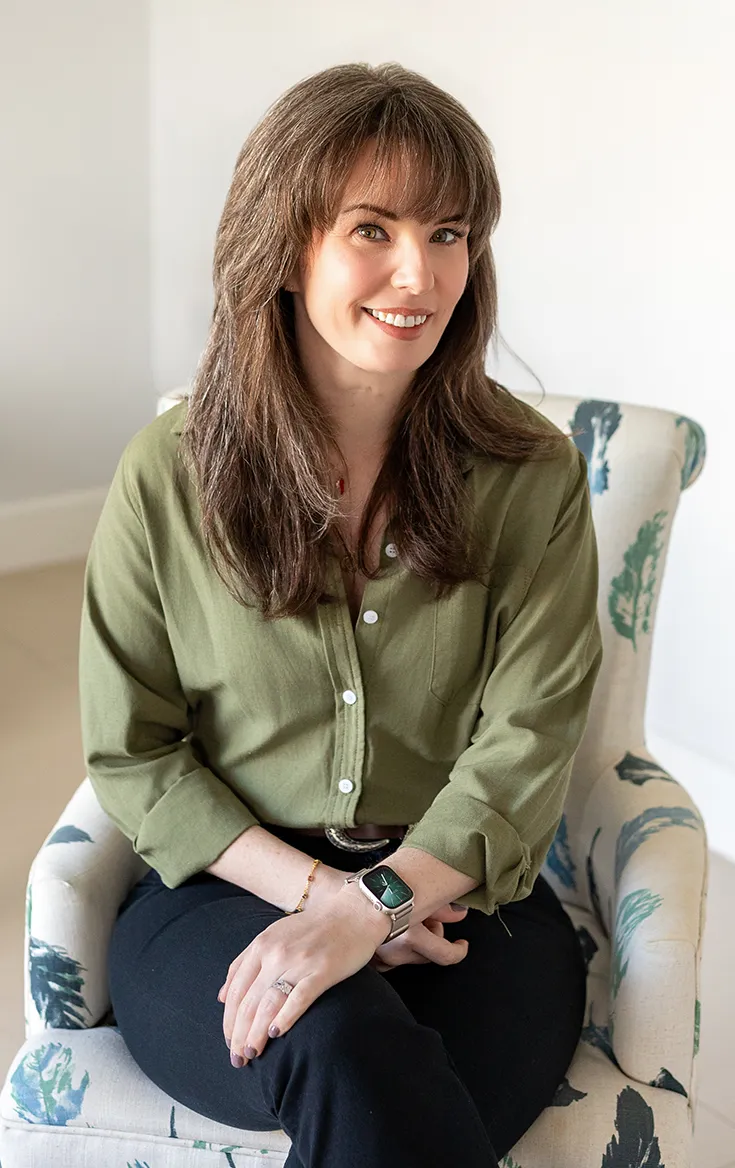
I take patients from feeling unheard — to feeling empowered.
Auditory Pathway was founded by a Doctor of Audiology focused on the cases standard hearing care isn't designed to address: adult auditory processing differences, tinnitus and sound sensitivity, and the patients whose hearing tests come back "normal" while something is clearly off.
Over a decade of clinical audiology experience. ASHA-certified (CCC-A), a member of the Irish Academy of Audiology, and actively registering with UK regulators — which will soon give UK patients access via the NHS. Licensed in New York and Oklahoma, with Florida, California, and Maryland pending.
Telehealth means wherever you are.
No travel, no waiting rooms. Your specialist is wherever you have a screen and a quiet moment. Currently licensed and practicing across three regions—with more on the way.
Not in a listed region?
Get in touch — we can point you to an aligned practitioner near you.
United States
United Kingdom
Yes. APD is well-documented in adults, and many people who are told their hearing is “normal” are in fact struggling with auditory processing, not peripheral hearing. The challenge is that most clinics aren’t equipped to test for it at the phoneme level, which is where it actually shows up. We use the Buffalo Model — a recognized evaluation standard.
We use techniques grounded in CBT principles — identifying thought patterns that amplify the distress response to sound, building practical tools for reducing reactivity, and integrating sleep and stress work. In states where CBT itself is not within audiology scope of practice, we are explicit that this is CBT-informed technique, not psychotherapy. For patients who need psychotherapy, we refer.
No. You can book directly. If we think another specialist is a better fit, we’ll tell you at the free consult — no charge.
Evaluations — including APD at the phoneme level — are often better suited to a controlled telehealth session than a busy clinic. We send any needed materials before your appointment.
The initial consult is free. Evaluations and programs are priced transparently on a per-program basis, with payment plans available. Once UK registration completes, NHS pathway access will be available for UK patients. The free consult is the right place to start — no obligation.
Often, yes. “Normal” on a standard audiogram only rules out peripheral hearing loss. It doesn't rule out auditory processing differences, tinnitus, or sound sensitivity — all of which can coexist with “normal” hearing and are exactly what we specialize in.
Answered. Honestly.
Still not sure? Send a message via the form — most questions get a real reply from the clinician, not a bot.